February 20, 2026
When most people think about auto body repair, they picture technicians fixing dents, repainting panels, or replacing damaged parts after a collision. While these services are certainly major components of the industry, the world of auto body repairs is far more advanced and complex than many drivers realize. Behind every repair is a combination of technology, craftsmanship, diagnostic expertise, and safety standards that protect both the vehicle and its passengers. Modern repair shops work with specialized equipment, evolving materials, and advanced repair strategies to return vehicles to pre-accident condition. This blog shares several facts about auto body repairs that many people have never considered, especially those that highlight how much precision and innovation go into restoring a vehicle properly.
1. Modern Auto Body Repairs Depend Heavily on Digital Diagnostics
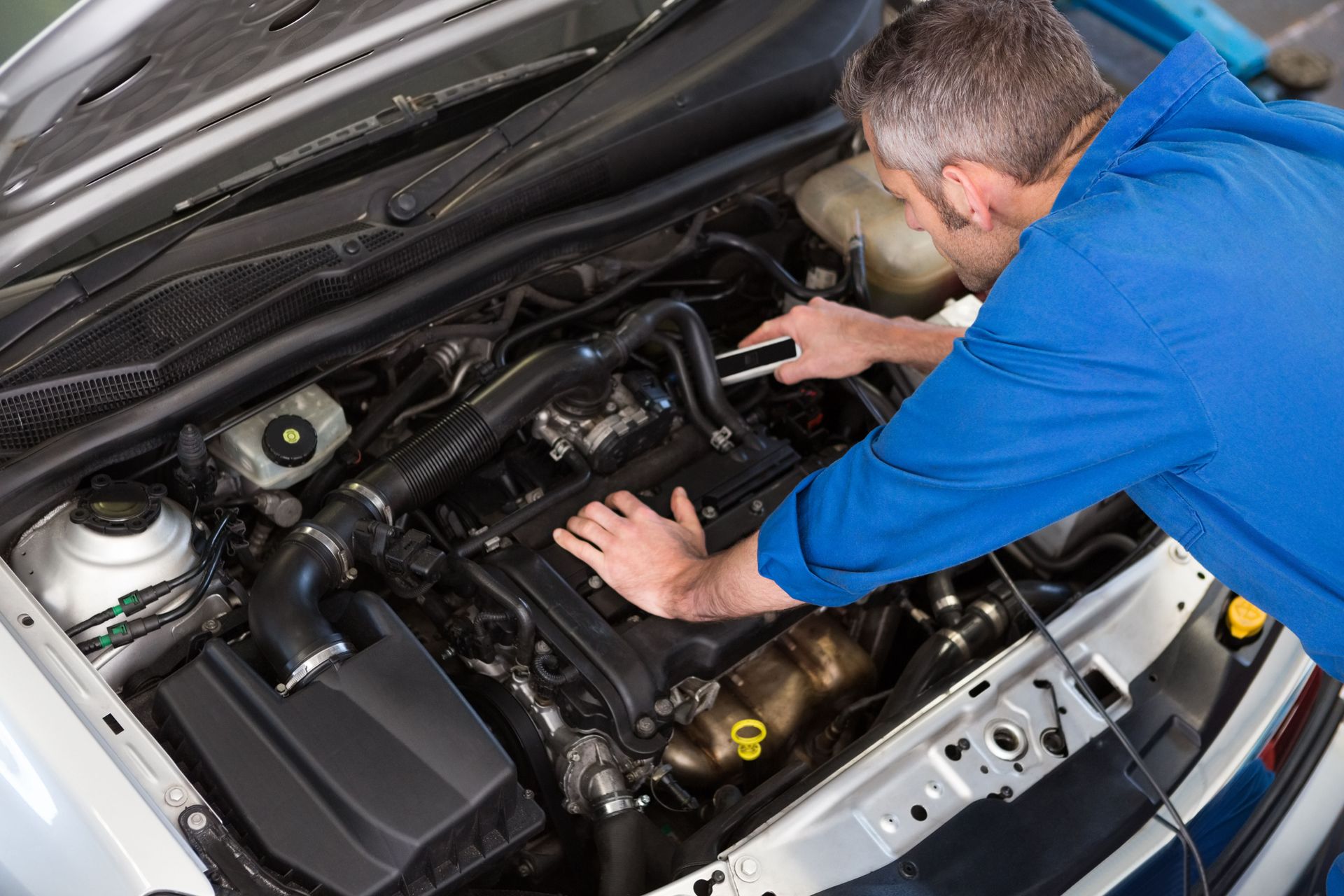
Today’s vehicles operate through numerous electronic systems supported by sensors and onboard computers. After a collision, even a minor one, technicians must use advanced scanners to evaluate internal data. Digital diagnostics reveal readiness for airbag deployment, alignment issues, structural inconsistencies, and potential electronic malfunctions that cannot be seen during a visual inspection. This technology ensures repairs are not only cosmetic but also safe and functional. Because of this, auto body repairs address much more than exterior damage and help restore key components that keep the vehicle operating reliably.
2. Small Accidents Can Cause Major Hidden Damage
Even a gentle bump in a parking lot can cause more internal damage than most drivers expect. Sensors, wiring, bumper reinforcements, and impact-absorbing materials can become compromised in low-speed collisions. According to Trans Line Inc, one in five (20%) of vehicle accidents occur in parking lots. This statistic highlights how frequently minor accidents take place and how often hidden damage may be overlooked. Many issues cannot be detected without removing panels or performing detailed inspections, which is why professional auto body repairs often uncover deeper problems that need attention for safety reasons.
3. Paint Matching Has Become a High-Tech Science
Technicians no longer rely solely on visual judgment to match paint. Modern repair shops use digital spectrophotometers that analyze the shade, finish, and reflectivity of the existing color. Since paint naturally fades over time due to sunlight, oxidation, and environmental exposure, precise digital measurements help create an accurate match. Paint booths with climate control also help maintain consistency in texture and appearance. This advanced process results in auto body repairs that blend seamlessly with surrounding panels and closely resemble factory finishes.
4. Many Body Components Are Designed to Absorb Impact and Break Intentionally
Some vehicle parts are engineered to crumple or break during a collision to absorb and redirect energy. These components include bumpers, brackets, and engineered crumple zones. When they function correctly, the vehicle may show significant exterior damage while still protecting the occupants. Auto body repairs must follow manufacturer guidelines to ensure these engineered safety features remain effective. Technicians rely on specific repair procedures that preserve structural integrity and prepare the vehicle to respond correctly in a future collision.
5. Aluminum and High-Strength Steel Require Special Repair Techniques
Not all automotive metals respond to repairs in the same way. Aluminum, which is increasingly used in modern vehicles, requires its own set of tools, workspaces, and repair methods. High-strength steel also needs specialized techniques because incorrect handling can weaken the material. Repair shops must invest in dedicated equipment and specialized training to work with these metals properly. Auto body repairs that involve aluminum or high-strength steel often cost more, but proper techniques ensure the vehicle remains safe and durable.
6. Frame Straightening Uses Laser Technology for Extreme Accuracy
If a vehicle’s frame becomes damaged, technicians must restore it to factory specifications with great precision. Modern repair shops use computerized measuring systems and laser alignment tools to detect even slight deviations. These systems provide real-time data during the straightening process. Structural alignment is critical because small errors can affect steering performance, tire wear, safety systems, and overall handling. Laser-guided technology allows auto body repairs to reach levels of accuracy that were not possible decades ago.
7. Technicians Receive Continuous Training to Keep Up With Industry Changes
The auto body industry evolves rapidly because of new technology, vehicle designs, and safety standards. Technicians complete ongoing training on updated repair methods, advanced materials, and diagnostic procedures. Certifications from manufacturers and industry organizations help ensure technicians know how to work safely on the latest vehicle models. This continuous education keeps auto body repairs aligned with manufacturer requirements and ensures safety features remain effective after repairs.
8. Windshield Repairs Are Often Structural Repairs
A windshield is more than a sheet of glass. It contributes to a vehicle’s structural integrity and plays an important role in proper airbag deployment. Repairing or replacing a windshield requires precise sealing and calibration of embedded sensors. Because of these safety considerations, windshield work is often classified within the scope of auto body repairs. Even small imperfections can affect visibility, structural strength, or sensor accuracy, which is why proper installation is essential.
9. Advanced Driver Assistance Systems Require Post-Collision Calibration
Modern driver assistance systems rely on radar, cameras, lidar, and sensors placed around the vehicle. Even minor collisions can misalign these components. After repairs, technicians must recalibrate these systems to ensure proper operation. The calibration process requires specialized equipment, controlled environments, and careful measurement. Without proper recalibration, safety systems may detect hazards incorrectly or fail to activate when needed. Auto body repairs often include this step to ensure that advanced technology continues to protect drivers after an accident.
10. Quality Repairs Can Increase a Vehicle’s Resale Value
Many people assume that any accident reduces a car’s value significantly. High-quality auto body repairs, however, can help preserve or even restore a vehicle’s value. When repairs follow manufacturer guidelines and maintain structural integrity, potential buyers gain confidence in the vehicle. Repair records, proper paint matching, and the use of original equipment parts all improve resale appeal. In some cases, documented repairs that meet industry standards may reassure buyers more than a vehicle with no known repair history.
11. Not All Damage Requires Panel Replacement and Skilled Technicians Can Restore Panels
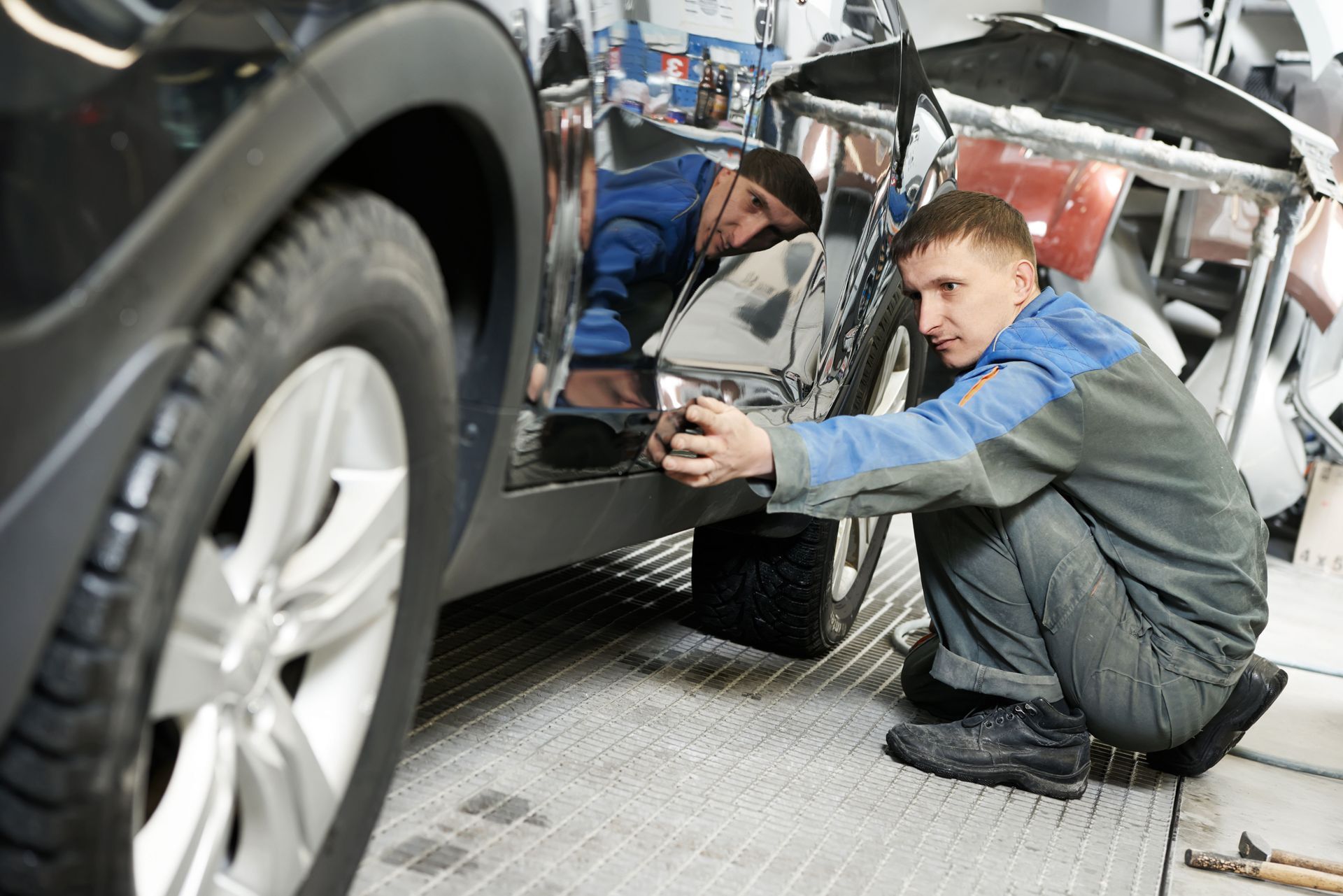
Many dented panels can be repaired instead of replaced. Paintless dent repair uses specialized tools to remove dents without disturbing the original paint. This method reduces material waste and preserves the factory finish. For larger dents or creases, technicians may use heat, shaping tools, or filler materials to restore the panel’s appearance. These techniques make many auto body repairs more affordable and efficient while still delivering high-quality results.
Auto body repair involves a wide range of advanced techniques and technologies that most drivers never see. From digital diagnostics and sensor calibration to structural restoration and specialized metalwork, modern repairs require precision, training, and industry expertise. Whether addressing hidden damage or restoring a vehicle’s appearance, technicians work carefully to ensure the vehicle remains safe, functional, and visually appealing. When drivers understand these lesser-known aspects of auto body repairs, they gain a deeper appreciation for the skill and technology behind every repair. If your vehicle needs professional attention after an accident or you want expert guidance on restoring its exterior, contact Fairway Auto Body today for reliable and high-quality service. We look forward to hearing from you and being able to assist with your vehicle repair issues!