October 23, 2026
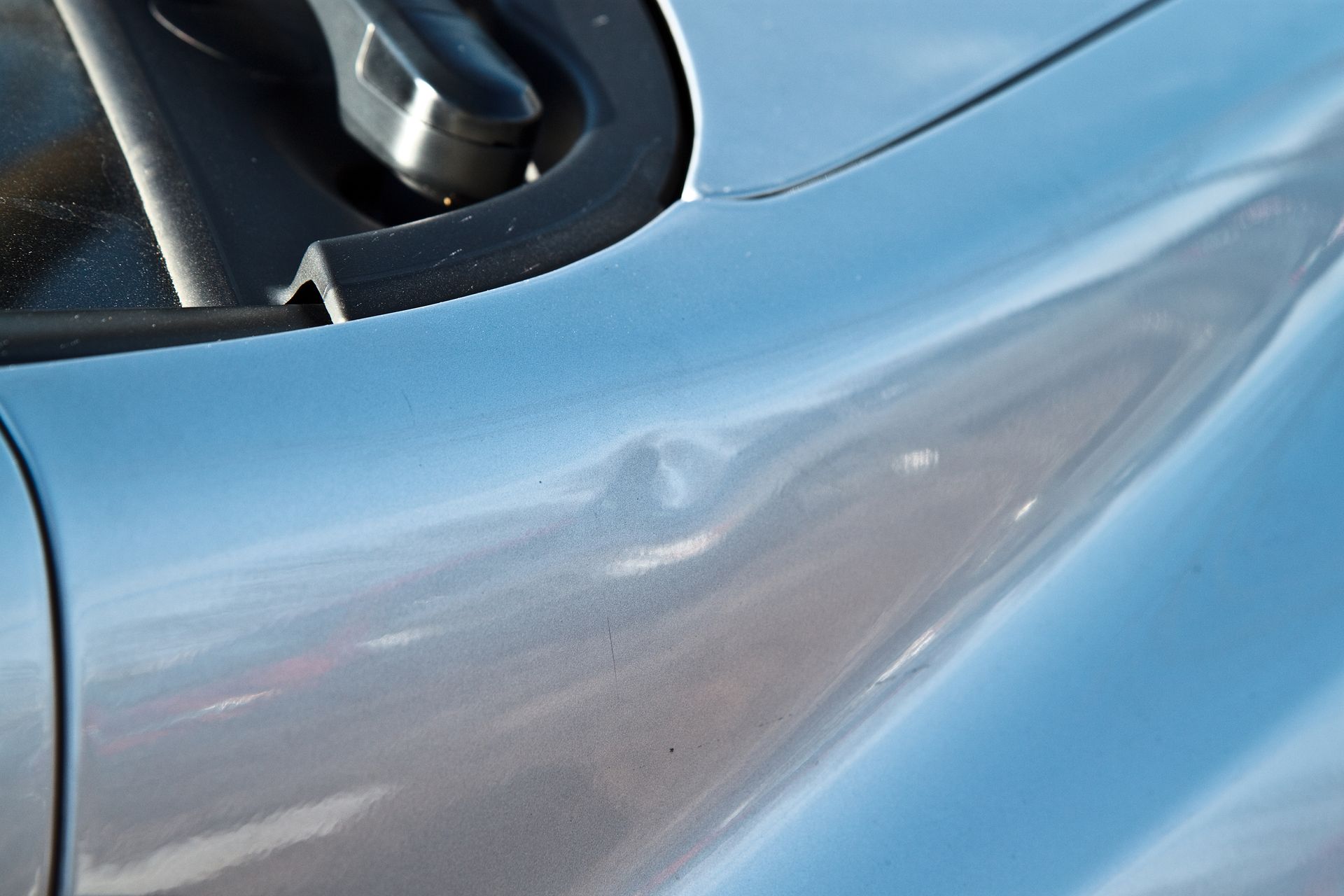
A dent can become surprisingly easy to overlook once it becomes part of a car's familiar appearance. If the vehicle still starts and drives normally, a shallow depression in a door or fender may seem unimportant. Yet appearance alone does not reveal whether the finish is damaged, the panel fits correctly, or the impact affected more than the visible surface.
Professional auto body services help distinguish a cosmetic blemish from damage that deserves closer attention. That distinction matters because dents vary considerably in their location, severity, and effect on surrounding areas. Understanding those differences gives drivers a more useful basis for deciding what comes next than simply getting used to the mark.
A Familiar Setting Can Make Damage Seem Harmless
Parking lots are familiar places for minor vehicle damage, which can make a new dent feel like an ordinary inconvenience. According to Trans Line Inc, parking lots account for one-fifth of vehicle accidents. That frequency helps explain why drivers encounter damage during everyday errands, but the setting alone says little about an individual impact. A scrape against another vehicle and a harder collision with a fixed object can leave different repair needs, even when both happen close to a parking space.
The details of an impact help explain what needs attention. A shallow impression from a door opening against a parked car presents a different situation from a collision that leaves a dent beside an uneven panel gap. Cracked paint or a door that no longer closes normally adds another reason to seek an assessment. Considering those details keeps the response proportionate to the damage instead of dismissing it because the incident happened during a routine errand.
Damaged Paint Can Leave Metal Exposed
A vehicle's painted finish does more than create its color and shine. It also helps protect the material beneath it from the environment. When an impact cracks or chips that finish, the dent may include an opening through which moisture reaches exposed metal. On steel panels, that exposure can create conditions for rust, particularly when water and road salt remain in contact with the damaged area.
Corrosion can also affect how well paint remains attached, with bubbling or discoloration appearing around an affected area. Once rust accompanies a dent, restoring the panel's shape alone leaves the corrosion unresolved. In that situation, auto body services may need to address the damaged metal and finish together. A dent with intact paint does not automatically present the same concern, but exposed steel and visible rust are reasons to seek attention before accepting the damage as merely cosmetic.
The Visible Mark May Not Tell the Whole Story
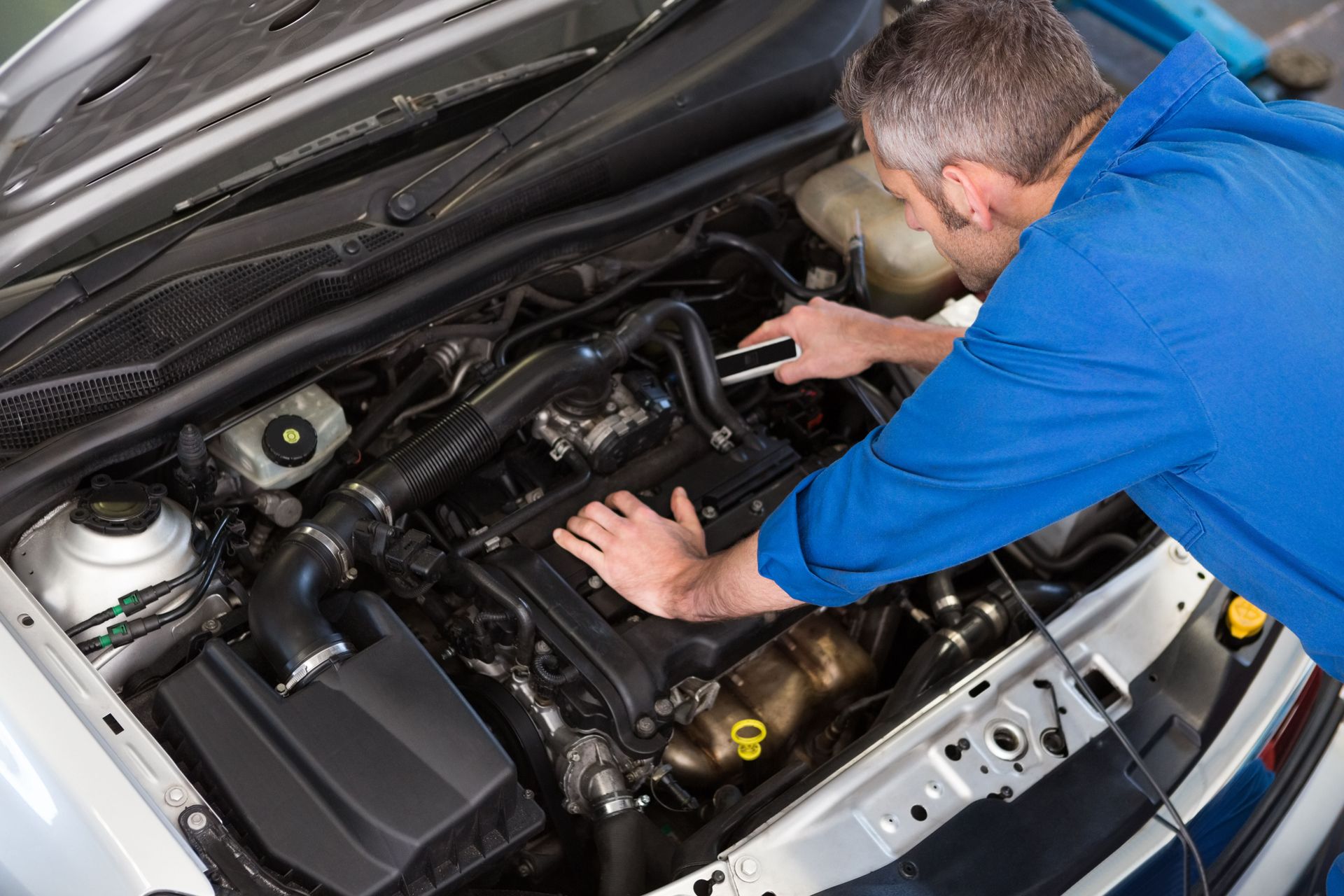
The outside of a damaged panel provides only part of the information about an impact. A dent can appear beside a shifted panel edge, a damaged bumper, or another area affected during the same event. The importance of those conditions depends on the collision and the vehicle; the most noticeable depression offers only one clue. A small visible mark does not establish that deeper damage exists, but it cannot rule it out either.
When an impact affects both a panel and a neighboring bumper, repairing the dent alone would address only part of the damage. The scope of auto body services should reflect those findings, with body repairs, bumper work, or structural repairs considered according to what the collision affected. Structural work is relevant only when the assessment identifies that need.
Panel Fit Matters in Everyday Use
A dent near the edge of a door can create a different concern from a shallow impression in the middle of a broad panel. If the impact changes the panel's shape or position, the driver may notice rubbing, an uneven gap, or difficulty closing the door. These changes matter because the affected area is part of something the driver uses regularly. Repeatedly working around a new problem can make it feel routine without explaining what caused it.
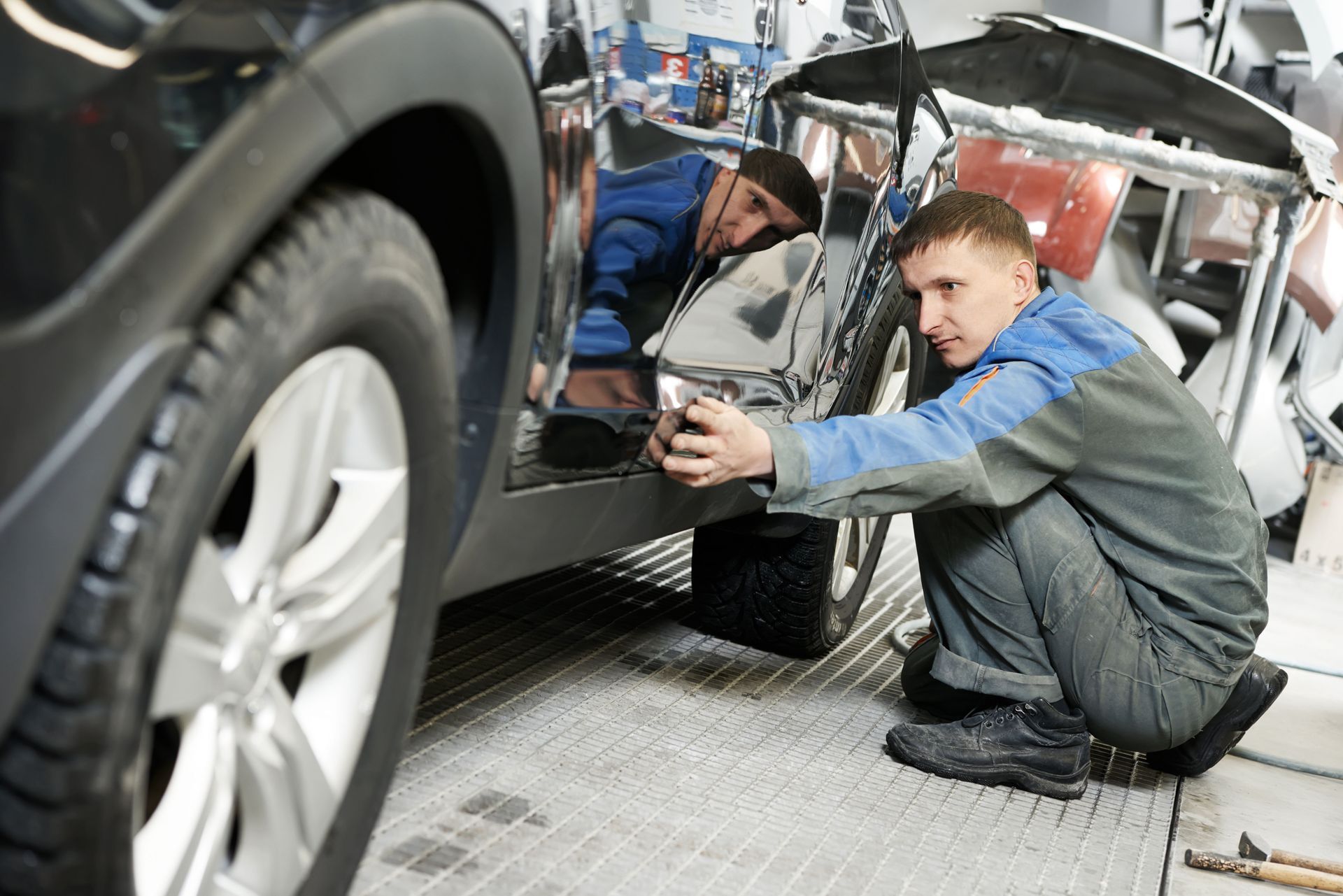
A door that rubs against an adjacent panel illustrates why improving the dent's appearance may not resolve the whole problem. The damaged area also needs attention in relation to the panels around it. When auto body services address collision damage that affects door fit, the repair needs to account for that alignment concern. Repairing or replacing an affected panel can form part of the work, depending on its condition. The objective includes restoring proper fit, so the driver is no longer simply accommodating a change caused by the impact.
Different Dents Need Different Repair Approaches
Paintless dent removal offers a way to address suitable dents while retaining the existing painted finish. Its availability does not mean every depression qualifies for that method. The condition of the paint, the shape of the damage, and its location all influence whether the approach is appropriate. A sharp crease with damaged paint presents a different situation from a shallow dent with an intact finish.
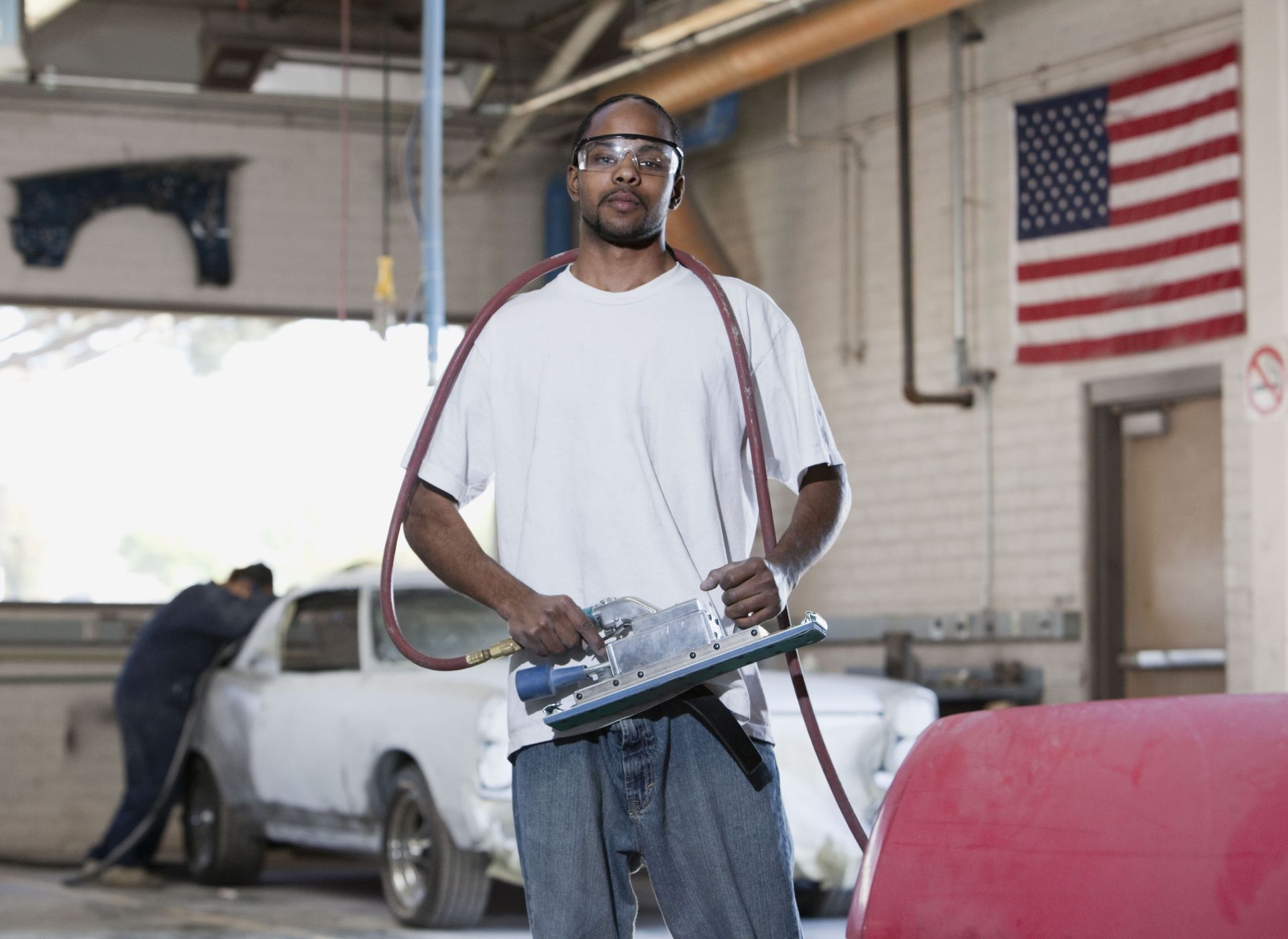
An intact finish is one consideration, rather than proof that paintless removal is suitable. The damaged panel and the vehicle's repair requirements also matter when selecting auto body services. A dent that can be reshaped does not necessarily have paint that can remain untouched, so body repair and refinishing may both be necessary. Panel replacement is another option when the damage calls for it. Understanding these differences helps explain why two dents that look similar can lead to different repair recommendations.
Visible Damage Can Affect How the Car Is Viewed
Even when a dent is primarily cosmetic, it can change the overall impression of an otherwise well-maintained vehicle. A buyer or person evaluating a trade-in may notice the damage and have questions about the incident behind it. Those questions can draw attention away from the care given to the rest of the car. Addressing visible damage through
auto body services can help restore a more consistent appearance.
For an owner keeping the vehicle, appearance can still be a practical reason to consider repair. A depression interrupts the panel's contours, and a dent may remain conspicuous even when its paint is unbroken. Restoring the shape addresses that visible distortion; paint work addresses a different concern when the finish is damaged. Recognizing those separate purposes makes it easier to discuss the desired result without assuming a cosmetic repair must solve an underlying mechanical problem.
An Evaluation Makes the Repair Decision Clearer
Uncertainty about a dent's seriousness does not have to be resolved before seeking an assessment. An evaluation provides a place to discuss what happened, what changed afterward, and which damage is visible. If a previously easy-to-close door began rubbing after the impact, for example, that change adds context to the dent. The driver's observations help describe the concern, while the professional assessment establishes what repairs are appropriate.
A useful repair explanation connects each proposed step to a finding about the vehicle. Paint damage can explain the need for refinishing, corrosion can explain rust repair, and a damaged panel can explain a repair or replacement recommendation. These connections let a driver understand the proposed work without needing to select the technique in advance. An unresolved dent then becomes a defined repair concern, with a clearer basis for deciding how to address it.
Becoming accustomed to a dent does not resolve the questions left by the damage. A professional assessment can turn those questions into a clear explanation of the vehicle's condition and the repair options relevant to it. At Fairway Auto Body, we assess damage and provide dent repair, paintless dent removal, and related body repairs according to the vehicle's needs. Contact us for an on-site evaluation to discuss the damage and the appropriate repair options.